

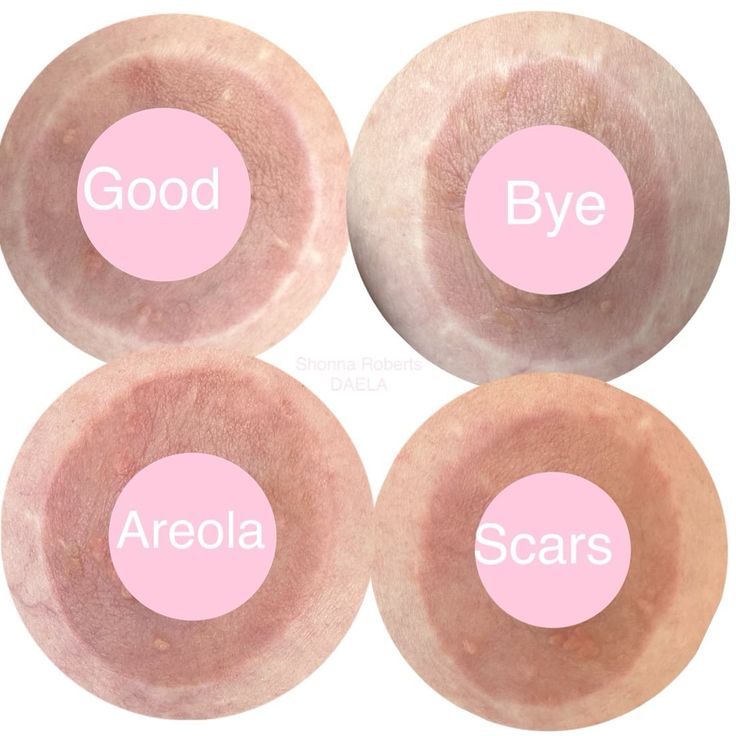
In restorative 3D areola tattooing—also known as nipple micropigmentation—the difference between a tattoo that looks painted on and one that looks genuinely biological comes down to pigment chemistry and skin tone calibration. Because human skin acts as a semi-translucent filter over implanted pigment, selecting the right shade 3d areola tattoo overland park requires far more than picking a color from a chart. Paramedical artists must evaluate melanin depth, underlying vascular tones, surgical scar density, and radiation history to formulate custom blends that heal warm, dimensional, and lifelike.
How Human Skin Interacts With Tattoo Pigment
When a paramedical artist deposits pigment into the upper dermis, the color you see in the mirror is never just the pigment itself. Light travels through the outer layer of the epidermis, reflects off the implanted pigment particles, and passes back through the skin’s natural melanin and blood vessels before reaching the eye.
-
The Epidermal Filter Effect: Melanin acts like a warm, tinted lens over the tattoo. Darker skin tones absorb and filter more light, meaning pale or overly subtle pigments can disappear once healed, while overly cool pigments can look ashy or gray.
-
Why Standard Tattoo Inks Shift: Conventional black or dark brown body-art inks often contain high levels of carbon or cool undertones that heal bluish or slate-gray beneath reconstructed breast skin.
-
Medical-Grade Formulations: Paramedical specialists rely on purified iron-oxide pigments or stabilized organic-hybrid pigments specifically engineered to heal true to tone and fade softly over time without turning unnatural shades.
Calibrating Pigments Across the Fitzpatrick Skin Scale
Natural areola coloration varies widely across complexions, and accurate pigment selection starts with assessing the client’s Fitzpatrick skin type (ranging from Type I very fair skin to Type VI deeply pigmented skin):
-
Fair Complexions (Fitzpatrick I–II): Natural areolas typically feature delicate dusty pinks, soft peaches, muted corals, and light warm tans. Artists use low-opacity, soft pastel-warm blends with gentle ivory highlights so the finished result never looks harsh or heavy against pale skin.
-
Medium and Olive Complexions (Fitzpatrick III–IV): Olive and golden skin tones naturally carry green or yellow undertones that can make standard pink pigments heal dull or bruised-looking. Artists blend warm rosewoods, toasted almonds, terracotta, and soft siennas to create rich, natural warmth.
-
Deep Complexions (Fitzpatrick V–VI): Deeply melanated skin requires high-density, rich warm pigments—such as deep mahoganies, warm espressos, cocoa browns, and subtle plum-umber shadows—paired with warm golden-caramel highlights so the three-dimensional nipple structure remains clearly visible once healed.
Adjusting for Post-Surgical and Radiation-Altered Tissue
Reconstructed breast tissue rarely behaves like untouched skin, requiring targeted color corrections before pigmentation begins:
Neutralizing Cool and Irradiated Undertones
Skin that has undergone mastectomy surgery or radiation therapy frequently develops thinner dermal layers and altered blood circulation, giving the tissue a cool, bluish, or pale grayish cast. To prevent the finished areola from healing cold or flat, artists add warm color modifiers—such as muted golden ochre, warm orange, or soft terracotta—to neutralize coolness in the skin.
Balancing Scar Tissue
Surgical incisions across the breast mound consist of dense collagen that reflects light differently than surrounding skin:
-
Pale, Hypopigmented Scars: Require slightly warmer, higher-saturation pigment layering so bright white scar lines do not show through the center of the areola.
-
Darker, Hyperpigmented Scars: Require careful tonal matching and feathered stippling around the borders so scar lines blend invisibly into the areola’s edge.
Unilateral Matching vs. Bilateral Customization
Pigment selection strategies also depend on whether one breast or both are being restored:
Unilateral Restoration (Matching a Natural Areola)
When one natural breast remains, visual symmetry is the top priority. Under balanced, daylight-spectrum lighting, the artist evaluates the existing areola’s base hue, outer border softness, inner nipple contrast, and natural freckling. Rather than testing colors on a paper towel, the artist dabs small amounts of custom-blended pigment directly onto the reconstructed breast skin to verify how the shade interacts with the client’s actual undertone before tattooing.
Bilateral Restoration (Designing From Scratch)
When both breasts have been reconstructed—or when a client chooses an aesthetic flat closure—the artist selects a harmonious palette using natural reference points on the body, such as the warm undertone of the client’s inner lips, nail beds, or pre-surgical photographs if available.
Multi-Tone Layering for 3D Depth
Even with an exact base match, a single flat color cannot create the optical illusion of a raised nipple. Paramedical artists build a custom multi-shade palette for every session:
-
Base Areola Wash: A skin-harmonized mid-tone stippled softly outward to create a feathered, natural border without harsh outlines.
-
Highlight Tones: Pale cream, warm peach, or golden-tan shades placed delicately along the upper ridge of the simulated nipple (papilla) and tiny Montgomery glands to catch light.
-
Cast Shadow Tones: Deeper, muted umber or warm plum-brown blends shaded beneath the nipple base to simulate natural overhead shadow and physical projection.
Immediately after the session, custom pigments always appear 20% to 40% darker due to surface oxidation and mild skin redness. Over 6 to 8 weeks, as the epidermis sheds and regenerates, the colors soften and bloom into a natural, lifelike finish—with a scheduled follow-up touch-up ensuring precise tonal harmony.
